Screenshot als 3-D-Karte
Skaliert das Bild, kippt die rechte Kante nach hinten und legt einen weichen Schatten darunter — der Auftritt, den Produktseiten und Folien für Screenshots verwenden. RECEDE steuert, wie stark die Karte sich neigt.
INPUT
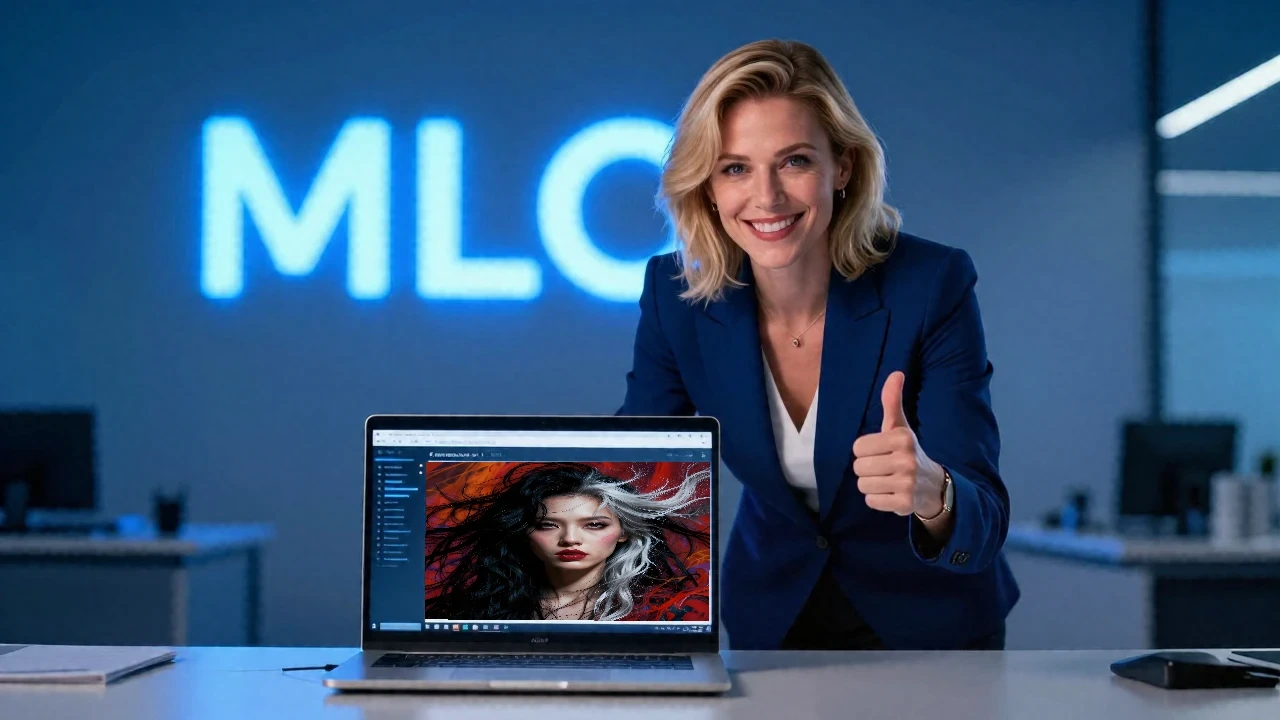
OUTPUT
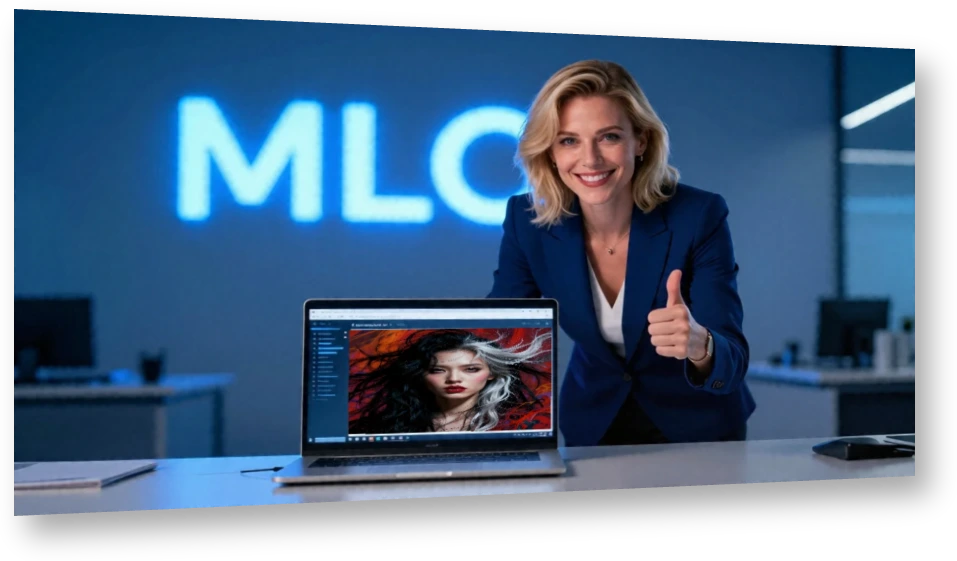
JavaScript
// 3-D card look — resize, tilt the right edge away, drop a soft shadow.
// demo_3d_card.js
//!TITLE: Screenshot als 3-D-Karte
//!DESC: Skaliert das Bild auf MAX_SIZE, kippt die rechte Kante
//!DESC: leicht nach hinten und legt einen weichen Schatten darunter.
//!DESC: Hintergrund transparent, Rand knapp um Karte und Schatten —
//!DESC: RECEDE steuert die Neigung, BG eine Hintergrundfarbe.
//!INPUT: INPUT
//!OUTPUT: OUTPUT
//!PARAM: MAX_SIZE:integer=900,min=200,max=3000
//!PARAM: RECEDE:number=0.08,min=0,max=0.3,step=0.01
//!PARAM: SHADOW_DX:number=14,min=-120,max=120
//!PARAM: SHADOW_DY:number=18,min=-120,max=120
//!PARAM: SHADOW_BLUR:number=14,min=2,max=80
//!PARAM: SHADOW_STRENGTH:number=0.35,min=0,max=1
//!PARAM: MARGIN:integer=6,min=0,max=200
//!PARAM: BG:string=transparent

// Turns a flat image into a lightly-3D "card": the left edge keeps its
// full height while the right edge foreshortens (recedes into the
// screen), and the whole card sits on a soft drop shadow. Built from
// two primitives — stampAt (4-point perspective) + dropShadow.

// 1 — load and clamp to MAX_SIZE on the longest edge (keep aspect).
const src = Engine.loadImage(INPUT);
{
  const long = Math.max(src.width, src.height);
  if (long > MAX_SIZE) {
    const s = MAX_SIZE / long;
    src.resize(Math.round(src.width * s), Math.round(src.height * s), Interp.Bilinear);
  }
}

// stampAt anti-aliases the tilted edges by default
// (WarpBorder.Transparent) — no manual padding needed.
const w = src.width;
const h = src.height;

// 2 — transparent canvas with room for the shadow to spread into
//     (dropShadow does NOT grow the canvas). Generous here — step 5
//     trims to what is actually visible, so no space is wasted.
const recede = Math.round(h * RECEDE);
const padX = Math.round(SHADOW_BLUR * 3 + Math.abs(SHADOW_DX) + 4);
const padY = Math.round(SHADOW_BLUR * 3 + Math.abs(SHADOW_DY) + 4);
const cw = w + padX * 2;
const ch = h + padY * 2;
const card = Engine.createImage(cw, ch); // transparent

// 3 — perspective quad [TL, TR, BR, BL]: left edge full height, right
//     edge inset top+bottom by `recede` so it reads as tilted away.
const x0 = padX;
const x1 = padX + w;
const yt = padY;
const yb = padY + h;
card.stampAt(src, [
  px(x0, yt),          // TL
  px(x1, yt + recede), // TR
  px(x1, yb - recede), // BR
  px(x0, yb),          // BL
], 1.0, BlendMode.Over, Interp.Bilinear);

// 4 — soft drop shadow behind the tilted card.
card.dropShadow(SHADOW_DX, SHADOW_DY, SHADOW_BLUR, '#000000', SHADOW_STRENGTH);

// 5 — trim to card + visible shadow. The blur's outer fringe (alpha
//     below 2 %) is invisible on any background, so it goes; MARGIN
//     keeps a little air around the rest.
card.autocrop({ tolerance: 0.02, padding: MARGIN });

// 6 — keep alpha (default), or flatten onto a background colour.
if (BG.toLowerCase() === 'transparent') {
  card.save(OUTPUT);
  card.free();
} else {
  const bg = Engine.createColoredImage(card.width, card.height, BG);
  bg.blendAt(card, px(0, 0), 1.0, BlendMode.Over);
  bg.save(OUTPUT);
  bg.free();
  card.free();
}
src.free();

// © 2026 Michael Lechner · mlc OpticScript · https://mlcgo.eu · Elastic License 2.0